What Are Turkish Juicy Kebabs?
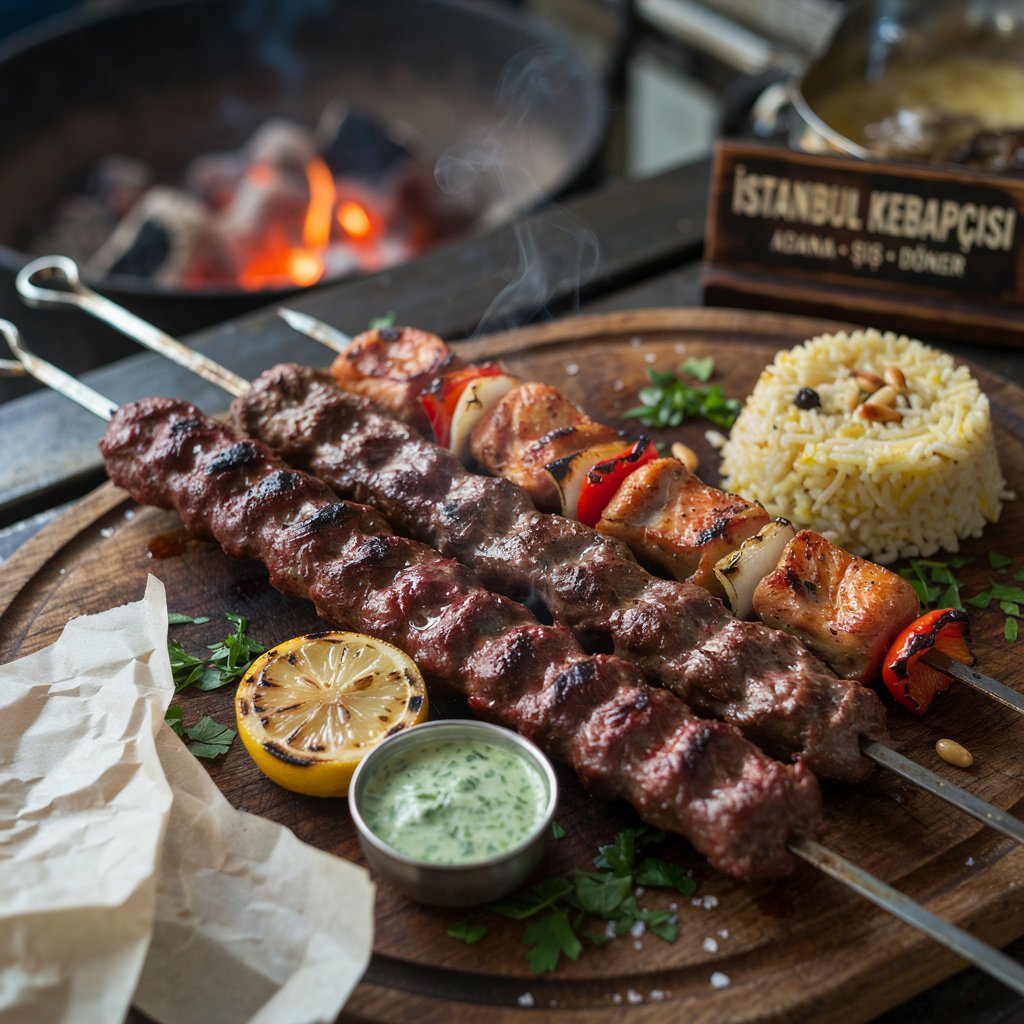
Turkish juicy kebabs are grilled meat dishes known for their rich flavor, tender texture, and aromatic seasoning. Turkish cuisine includes many different types of kebabs, with recipes varying by region, meat, preparation method, and cooking style.
The secret to a juicy kebab is usually a combination of quality meat, the right amount of fat, careful seasoning, and proper cooking. Whether prepared with lamb, beef, chicken, or a combination of meats, Turkish kebabs are commonly cooked over charcoal or high heat to develop a flavorful exterior while keeping the inside tender.
What Makes Turkish Kebabs So Juicy?
Several factors contribute to the texture of a juicy Turkish kebab.
The Right Meat
Fatty cuts of meat generally produce a more tender and flavorful kebab than extremely lean meat. Lamb is particularly common in traditional Turkish kebab recipes.
Adequate Fat
Fat melts during cooking and helps keep the meat moist. This is especially important for minced-meat kebabs such as Adana kebab.
Proper Seasoning
Turkish kebabs don’t necessarily require a long list of spices. Depending on the recipe, ingredients such as salt, black pepper, red pepper, paprika, cumin, onion, garlic, and herbs can enhance the meat without overpowering it.
High-Heat Cooking
Cooking over charcoal or high heat creates browning on the outside while helping retain moisture inside the meat.
Popular Turkish Kebabs
Turkey has an impressive variety of kebab dishes. Some of the most recognizable include Adana kebab, Urfa kebab, Şiş kebab, and Döner kebab.
Each has its own preparation style and flavor profile.
Adana Kebab
Adana kebab is a famous minced-meat kebab traditionally made with lamb and rendered fat, seasoned with red pepper and other spices.
The mixture is shaped around a wide skewer and grilled over charcoal.
Its combination of juicy meat, smoky flavor, and moderate-to-hot pepper seasoning makes it one of the best-known Turkish kebabs.
Urfa Kebab
Urfa kebab is similar in appearance to Adana kebab but is traditionally milder.
It focuses more on the natural flavor of the meat and generally has less heat than Adana kebab.
If you want a juicy Turkish kebab without intense spiciness, Urfa kebab can be a great option.
Şiş Kebab
Şiş kebab consists of pieces of marinated meat threaded onto skewers and grilled.
Common versions use:
- Lamb
- Beef
- Chicken
The meat can be paired with peppers, onions, or tomatoes before being grilled.
The result is smoky, tender meat with a slightly charred exterior.
Döner Kebab
Döner is prepared by stacking seasoned meat on a vertical rotating spit.
As the outside layer cooks, thin pieces are sliced away and served in bread, wraps, or on a plate.
Döner can be made using different meats and is one of the most internationally recognized Turkish-style kebabs.
Turkish Juicy Kebab Ingredients
A simple homemade Turkish kebab can start with a relatively short ingredient list.
Depending on the recipe, you may need:
- Ground lamb or beef
- Lamb fat or another suitable fat
- Red pepper
- Black pepper
- Salt
- Cumin
- Garlic
- Onion
- Fresh herbs
- Olive oil
Not every recipe uses all of these ingredients.
For a more traditional result, focus on the quality of the meat and the balance between lean meat and fat.
How to Make Turkish Juicy Kebabs
Making Turkish juicy kebabs at home is easier when you focus on the consistency of the meat mixture and the cooking temperature.
1. Choose the Meat
Use ground lamb, beef, or a combination depending on the type of kebab you’re preparing.
Avoid extremely lean meat because some fat is important for maintaining moisture.
2. Add the Seasonings
Combine the meat with your chosen spices and seasonings.
For an Adana-style preparation, red pepper is particularly important.
3. Mix Thoroughly
Work the mixture until the ingredients are evenly distributed and the meat becomes cohesive.
This helps the kebab stay together while cooking.
4. Chill the Mixture
Allowing the mixture to rest in the refrigerator can make it easier to shape and skewer.
5. Shape Around Skewers
For minced-meat kebabs, press the mixture firmly around wide metal skewers.
Keep the thickness relatively even so the meat cooks consistently.
6. Grill Over High Heat
Cook the kebabs over a hot grill, preferably charcoal if available.
Turn them as needed to develop an evenly browned exterior.
7. Serve Immediately
Turkish kebabs are best served hot alongside fresh vegetables, bread, rice, bulgur, or traditional sauces.
What to Serve With Turkish Kebabs
A juicy kebab becomes even better when served with the right sides.
Popular accompaniments include:
- Lavash bread
- Pita-style bread
- Grilled peppers
- Grilled tomatoes
- Red onions
- Parsley
- Bulgur
- Rice
- Shepherd salad
- Yogurt
- Pickled vegetables
- Sumac
Fresh onion mixed with parsley and sumac is a particularly popular accompaniment for grilled kebabs.
Turkish Kebab Marinade
A marinade can be useful for cubed meat such as lamb or chicken şiş kebab.
A simple marinade can include:
- Olive oil
- Yogurt
- Lemon juice
- Garlic
- Paprika
- Black pepper
- Cumin
- Salt
Allow the meat to marinate according to the recipe before grilling.
For minced kebabs such as Adana, however, the focus is generally on seasoning and properly mixing the meat rather than using a conventional liquid marinade.
How to Keep Turkish Kebabs Juicy
If your homemade kebabs are coming out dry, several things may be responsible.
Don’t use extremely lean meat. Fat is important for moisture and flavor.
Don’t overcook the kebabs. Excessive cooking can cause moisture and fat to escape.
Keep the grill hot. A properly heated grill helps create a browned exterior quickly.
Don’t make the kebabs too thin. Very thin pieces can cook too quickly and become dry.
Let the meat rest briefly. A short rest after cooking can help retain some of the juices.
Turkish Kebabs vs. Other Kebab Styles
The word “kebab” covers a huge range of dishes across the Middle East, Central Asia, South Asia, and the Mediterranean.
Turkish kebabs are distinguished by their regional traditions, grilling techniques, spice combinations, and preparation methods.
For example, Adana and Urfa kebabs use seasoned minced meat, while şiş kebab uses pieces of meat cooked on skewers.
This variety is one reason Turkish cuisine has such a strong kebab culture.
Are Turkish Kebabs Spicy?
Not all Turkish kebabs are spicy.
Adana kebab is traditionally associated with red pepper and can have noticeable heat. Urfa kebab is generally milder.
Other varieties, such as many şiş kebabs, can be relatively mild and rely more on herbs, marinades, charcoal, and the natural flavor of the meat.
The level of spice also varies between recipes and restaurants.
Frequently Asked Questions
What is the juiciest Turkish kebab?
There isn’t one universal answer, but Adana kebab is well known for its juicy texture because it traditionally combines minced meat with a significant amount of fat before being grilled.
What meat is used in Turkish kebabs?
Lamb, beef, and chicken are commonly used. Some traditional varieties have specific meat requirements depending on their regional recipe.
What makes Turkish kebab juicy?
A good balance of meat and fat, proper seasoning, high-heat grilling, and avoiding overcooking all help produce a juicy kebab.
What is the difference between Adana and Urfa kebab?
Both are minced-meat kebabs associated with southeastern Turkey. Adana is generally hotter and more heavily seasoned with red pepper, while Urfa is traditionally milder.
Can you make Turkish kebabs at home?
Yes. Minced-meat kebabs can be prepared on a grill or suitable high-heat cooking surface. The key is using an appropriate meat-to-fat ratio and cooking the kebabs without overcooking them.
What do you eat Turkish kebabs with?
Turkish kebabs are commonly served with bread, grilled vegetables, onions, parsley, salads, rice or bulgur, yogurt, and pickled vegetables.
Final Thoughts
Turkish juicy kebabs are all about balancing flavorful meat, fat, seasoning, and high-heat grilling. From spicy Adana kebab to mild Urfa kebab and classic şiş kebab, Turkish cuisine offers plenty of varieties to explore.
If you’re making kebabs at home, start with quality meat, don’t skip the fat, keep your grill hot, and avoid overcooking. Serve the finished kebabs with fresh vegetables, warm bread, herbs, and your favorite Turkish-style sides for a complete meal.